Raised Bed Soil Calculator
Enter your area & depth and get instant soil counts.
| Bag size | Exact count | +10% buffer |
|---|
Find Out Exactly How Much Soil You Need
Our free raised bed soil calculator tells you exactly how much soil, topsoil, or compost to buy for any garden project. Whether you are filling a single planter or an entire backyard, our tool provides results in cubic yards, cubic feet, and the exact number of bags (0.75, 1, 1.5, or 2 cu ft). No more guessing at the garden center.
How to Use This Soil Calculator
Our soil calculator is designed to be a 3-in-1 tool. Most basic calculators only handle rectangles, but we know gardens come in all shapes.
Step 1: Select Your Shape
Rectangle: For standard wooden or metal raised beds.
Circle: For tree rings or round galvanized planters.
Triangle: For corner garden beds or artistic landscape designs.
Step 2: Enter Your Dimensions
Provide the length and width in feet. For the depth, most garden beds are between 6 and 12 inches deep. If you are filling a deep “Elevated Planter,” you may need to measure up to 24 inches.
Step 3: Analyze the Results
Our tool provides more than just a volume number. It gives you:
Cubic Yards: For ordering bulk delivery.
Cubic Feet: The standard measurement for bags in the USA.
Total Weight: An estimate of how heavy the soil will be (crucial for truck transport!).
The Bag Table: A breakdown of how many bags to buy if you are shopping at Home Depot, Lowe’s, or a local garden center.
How Much Soil Do I Need for a Raised Bed?
The depth of your soil is the most important factor for plant health. Here is a quick guide for USA gardeners:
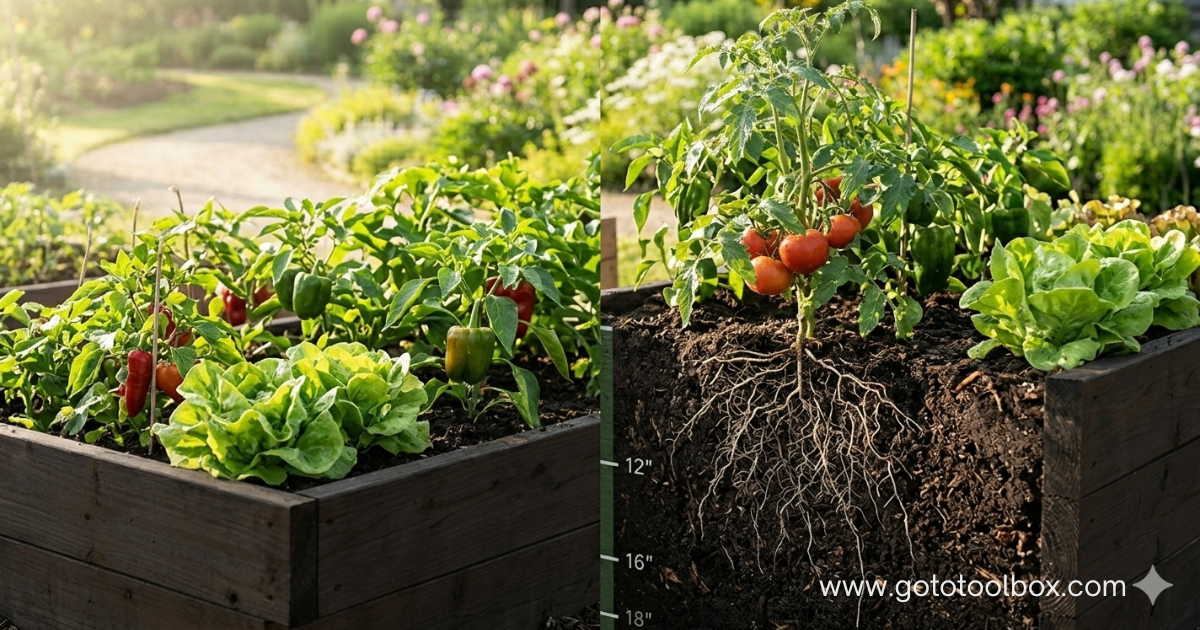
6 Inches: Perfect for leafy greens like spinach, lettuce, and herbs.
12 Inches: The “Gold Standard” for most vegetables, including peppers, beans, and cucumbers.
18-24 Inches: Necessary for root crops like carrots, potatoes, and large tomato varieties
Raised Bed Soil Calculator: The Ultimate Guide to Filling Your Garden
Starting a new garden project is exciting, but it often leads to one stressful question: How much soil do I need? Whether you are a weekend DIYer building your first planter or a professional landscaper leveling a yard, precision is everything.
Using a raised bed soil calculator is the only way to ensure you don’t end up with a half-empty garden bed or a driveway full of expensive, leftover dirt. In this guide, we’ll walk you through the math of garden volume, the different types of soil you should buy, and how to save hundreds of dollars by choosing the right delivery method.
The Science of Soil: Why the "Right Mix" Matters
Filling a raised bed isn’t as simple as digging up dirt from your backyard. Native soil is often too heavy, contains weed seeds, and lacks the drainage needed for container gardening. To get a 100/100 garden success rate, you need a specific blend.
The 60-30-10 Gold Standard
Most professional gardeners use a ratio that balances structure, nutrition, and drainage:
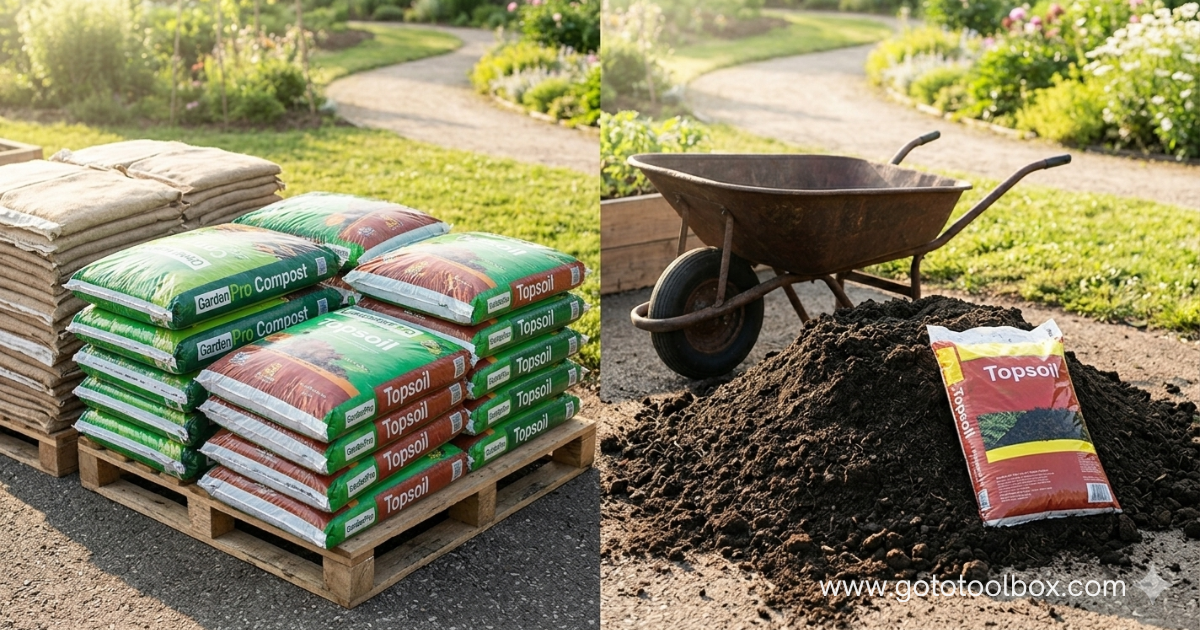
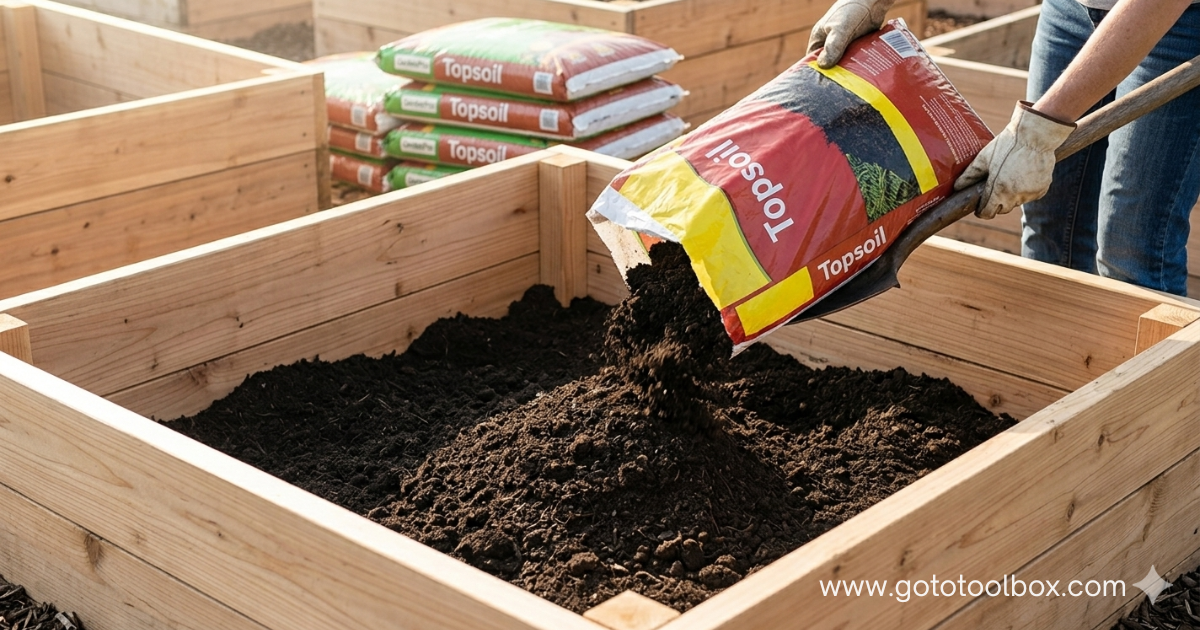
60% Topsoil: This is the base. It provides the “body” of the soil.
30% Compost: This is the food. Compost provides the organic matter and nutrients your plants need to thrive.
10% Potting Mix: This provides the “fluff.” It usually contains peat moss or coco coir, which helps with water retention and prevents the soil from becoming a hard brick.
Bulk vs. Bagged Soil: Saving Money in 2026
One of the biggest mistakes new gardeners make is buying 50 bags of soil when a bulk delivery would have cost half the price.
The “One Yard” Rule
In the USA, 1 Cubic Yard of soil is equal to 27 Cubic Feet.
If your raised bed soil calculator result is less than 1 cubic yard, it is usually easier to buy bags and transport them in your car.
If your result is more than 1 cubic yard, look for local landscaping suppliers. Bulk soil typically costs $30–$60 per yard, whereas the equivalent in bags could cost $120–$180.
Understanding Soil Weight
Soil is deceptively heavy. A single cubic yard of dry topsoil weighs about 2,100 lbs (1 ton). If the soil is wet from rain, that weight can jump to 3,000 lbs.
Standard Pickup Trucks: Usually have a payload limit of 1,000 to 2,000 lbs. Do not try to carry a full yard of soil in a small truck—you could damage your suspension!
Advanced Gardening: The Hugelkultur Method
If you have a very deep raised bed (24 inches or more), filling it entirely with premium soil is expensive. Many gardeners use the Hugelkultur (mound culture) method to save money.
How it works:
The Bottom Layer: Place large logs and rotting wood at the bottom of the bed (about 40% of the volume).
The Middle Layer: Add branches, sticks, and dried leaves.
The Top Layer: Use our dirt calculator to find the volume for the top 12 inches, and fill that with high-quality garden soil.
As the wood decomposes over years, it acts like a sponge, holding water and releasing nutrients back into the soil.
Potting Soil vs. Garden Soil: What’s the Difference?
When you walk into a store, you’ll see bags labeled “Garden Soil” and others labeled “Potting Mix.”
Garden Soil: Designed for “In-Ground” use. It is heavy and meant to be mixed with your existing dirt. Do not use this alone in a raised bed, as it will compact and drown your plant roots.
Potting Mix: Actually “soilless.” It is made of peat moss, perlite, and pine bark. It is very light and airy, making it perfect for Elevated Planters and small pots.
Soil Depth Guide for Different Plants
Not all vegetables are created equal. Use this table to decide how deep to fill your bed:
| Plant Type | Recommended Soil Depth | Example Crops |
| Shallow Rooted | 6–12 Inches | Lettuce, Spinach, Strawberries, Radishes |
| Medium Rooted | 12–18 Inches | Beans, Carrots, Peppers, Broccoli |
| Deep Rooted | 18–24+ Inches | Tomatoes, Squash, Watermelon, Sweet Potatoes |
FAQs - Frequently Asked Questions
How many bags of soil do I need for a 4x8 raised bed?
Does soil settle after you fill a bed?
Can I reuse old soil from last year?
What is the difference between dirt and topsoil?
Why Trust GoToToolbox?
At GoToToolbox, we believe that every DIY project should be powered by accurate math. Our tools are built using professional landscaping formulas. We don’t just give you a number; we provide a full roadmap for your project, from bag counts to weight limits.
Whether you are using our raised bed soil calculator, our mulch calculator, our goal is to help you build better, faster, and cheaper.
Final Checklist for Your Project
Measure twice: Ensure your feet and inches are accurate.
Check the weather: Don’t buy soil right after a rainstorm—it will be much heavier to move!
Order a buffer: Always add 10% to account for settling.
Mulch after: Once your soil is in, use our Mulch Calculator to find out how many bags of bark you need to keep your new soil moist.
Expert Note: To ensure your garden thrives long-term, it’s important to understand the principles of soil health and conservation as defined by the USDA. Healthy soil is a living ecosystem that requires the right balance of organic matter and aeration.